Next generation
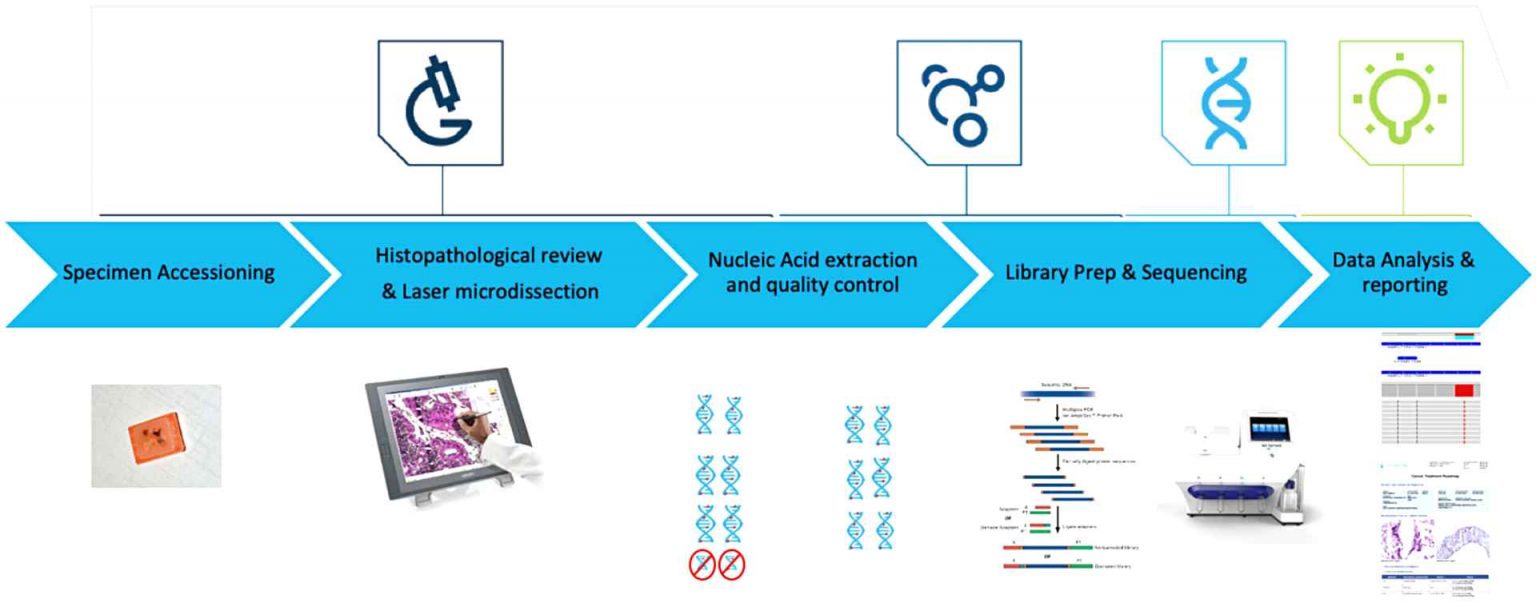
SEQUENCING: NGS has become an essential tool for clinical diagnostics and treatments because it allows for the identification of genetic variations that are associated with various diseases. NGS can be used to identify inherited genetic mutations that may predispose individuals to certain diseases or conditions, as well as somatic mutations that may be present in cancer cells. NGS can also be used for infectious disease diagnostics, where it can rapidly and accurately identify the causative agent of an infection, including viruses, bacteria, and fungi. NGS-based tests have been developed for a wide range of infectious diseases, including COVID-19
Non Invasive Prenatal Testing
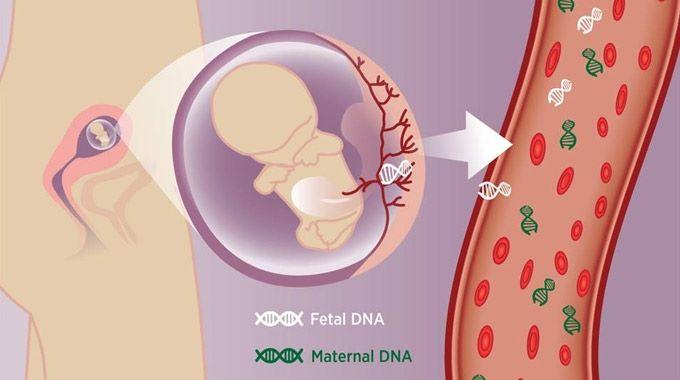
Non Invasive Prenatal Screening / Testing of Fetal Trisomy:
- Analysis of Fetal Cell-Free DNA in Maternal Blood
- 99% Proven Accuracy for detection & Low False Positive Rate : Downs Syndrome, Lymphocytic Leukemia, and Edward’s Syndrome.
- Based on NGS Bioinformatics
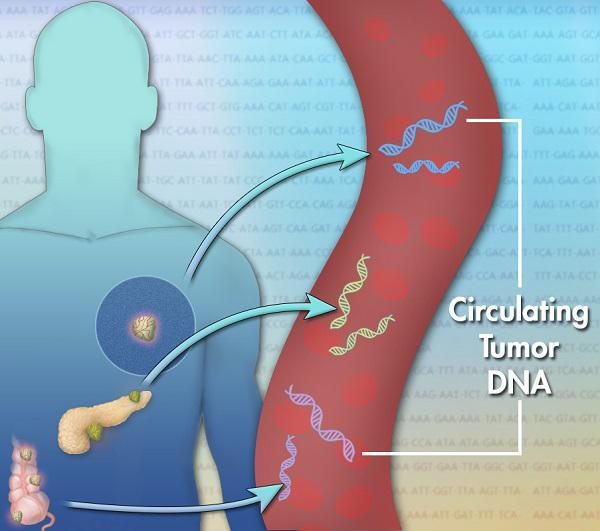
Cancer Detection Through Analysis of Circulating Tumor DNA
Circulating Tumor DNA is genetic material shed by cancer cells into the bloodstream.
Targeted Next Generation Sequencing can be utilized to analyze the genomic profile of circulating cancerous tumor DNA in blood to compare with a genetic library of known cancerous cells and identify specific genetic mutations that are associated with the development and progression of cancer.
This information can be used to develop targeted therapies and to screen high-risk individuals for early detection and precision tailor-made cancer treatment regimens.